
Key Points
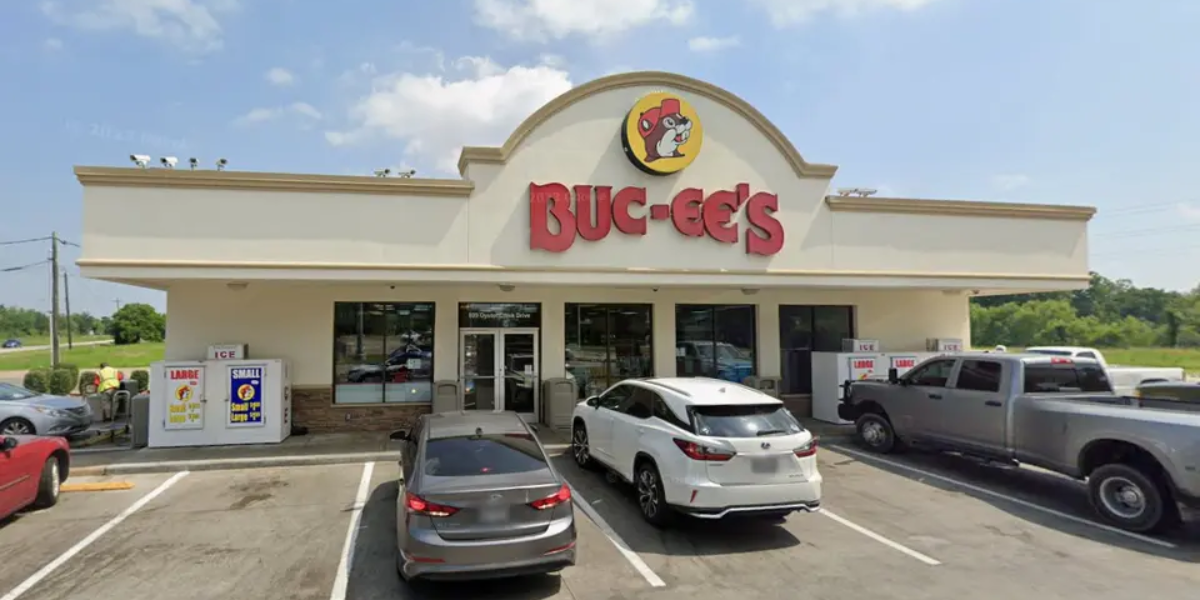
- Buc-ee’s has closed its small-format travel centre in Port Lavaca, Texas, marking the end of a 26-year operational footprint at the site.
- The former Port Lavaca property is undergoing conversion into a competitor site, 7-Eleven, which will feature a Laredo Taco Company.
- Buc-ee’s has steadily transitioned away from small neighborhood gas stations towards massive, 74,000-square-foot mega-travel centres equipped with over 100 fuel pumps.
- A handful of legacy, small-format stores remain operational across Texas—including early sites in Clute, Lake Jackson, Freeport, Alvin, Angleton, Brazoria, and Eagle Lake—providing a stark contrast to the modern mega-developments.
- While media inquiries regarding further legacy store closures remain under review, the retail chain continues its aggressive expansion nationwide with high-volume highway hubs.
PORT LAVACA (Edition Online) May 15, 2026 – Expansion seems to be the name of the game with Buc-ee’s these days, marked by bigger stores, more gas pumps, and countless Beaver Nuggets sold across the country. That is why the closing of the Port Lavaca Buc-ee’s—one of the few remaining gas station-sized travel centres—was so surprising.
Buc-ee’s was not always the Texas-sized gas station giant now taking over North America. Many of the company’s early stores, such as the original Buc-ee’s in Clute outside of Houston, were no larger than a standard QuikTrip retail outlet. Yet now, virtually every new Buc-ee’s development seems fixed at approximately 74,000 square feet with upwards of 100 gas pumps, signaling that the era of the mini Buc-ee’s is increasingly slipping into the past.
The Port Lavaca location officially closed its doors at the end of August as the site is converted into a 7-Eleven. Local news outlet MySA reached out to Buc-ee’s management to ascertain whether any of the company’s other remaining smaller retail stores will be closing in the near future. However, for Buc-ee’s enthusiasts wanting to visit these tiny Texas travel centres to see how they compare with the modern superstores, several legacy sites remain open across the state.
As reported by Gabriel Romero of MySA, Buc-ee’s has progressively pivoted away from smaller convenience-style locations in order to focus on immense roadside destination centres. Reporting on the structural transition of the chain, Romero detailed that while the company built its foundation on modest neighborhood stores in the 1980s and 1990s, the financial momentum of the brand is now almost exclusively driven by high-capacity highway hubs equipped with expansive retail space and extensive food service operations.
As documented by Michael Gibson of 101.5 KNUE, the shuttering of the Port Lavaca branch at State Highway 35 and U.S. 87 represents a notable shift, as the building will now be taken over by competitor 7-Eleven and re-branded to include a Laredo Taco Company establishment. Gibson noted that the Port Lavaca store had been operating for 26 years since opening in 2000, making its closure and subsequent handover to a competitor an unusually rare event in the history of the retail brand.
As stated by Derrick Smith of the Port Lavaca Building and Standards Commission Board in local regulatory disclosures, formal notice regarding the site’s re-development was received via municipal communications, confirming the property’s transition out of the Buc-ee’s corporate portfolio.
Where Are the Small Buc-ee’s Locations Still Open in Texas?
For consumers seeking to experience the original, smaller footprint of the iconic convenience chain, several legacy stores remain operational, primarily clustered within Brazoria County and surrounding South Texas regions. These smaller locations lack the massive wall-to-wall merchandise, massive fudge counters, and vast rows of fuel dispensers seen at highway locations, but they retain historical significance for the retail brand.
The remaining small-format Buc-ee’s locations currently operating include:
- Clute: 899 Oyster Creek Drive, Clute, TX 77531 (Store No. 1)
- Lake Jackson: 101 FM 2004, Lake Jackson, TX 77566
- Lake Jackson: 801 N. Brazosport Blvd, Lake Jackson, TX 77566
- Freeport: 4231 E. Highway 332, Freeport, TX 77541
- Alvin: 780 Highway 35 N. Bypass, Alvin, TX 77511
- Angleton: 2299 E. Mulberry St. & 2304 W. Mulberry St., Angleton, TX 77515
- Brazoria: 801 N. Brooks St., Brazoria, TX 77422
- Eagle Lake: 505 E. Main St., Eagle Lake, TX 77434
These properties continue to operate as local neighborhood convenience centers, serving everyday commuter traffic rather than long-distance interstate travelers.
Why Is Buc-ee’s Closing Its Smaller Texas Stores?
The gradual closure or re-branding of legacy locations reflects a broader shift in corporate strategy. When Arch “Beaver” Aplin III and Don Wasek opened the original store in Clute in 1982, the business model was anchored in high-quality convenience retail, pristine restrooms, and competitive fuel pricing within suburban and rural Texas communities.
However, following the opening of the company’s first large-format travel center in Luling, Texas, in 2003, the company discovered that massive roadside developments yielded significantly higher revenue per customer. Modern Buc-ee’s locations average between 50,000 and 75,000 square feet, offering extensive hot food selections, freshly smoked barbecue, proprietary apparel, and over 100 fuel pumps. Smaller properties, constrained by physical acreage, cannot support these expanded operational categories or handle the massive vehicular traffic required by the modern business model.
What Is the Background of This Retail Development?
The history of Buc-ee’s is tied to its transformation from a regional Texas chain into a national roadside phenomenon. Founded in 1982, the company spent its first two decades operating standard convenience stores throughout South-East Texas. The pivot toward destination-sized travel centers began in the early 2000s, capitalizing on Texas’s vast interstate highway network.
Over the past decade, Buc-ee’s has aggressive expanded beyond Texas, opening multi-acre travel centers across Alabama, Georgia, Florida, Tennessee, Kentucky, South Carolina, Missouri, and Colorado. As the company invests millions of dollars into regional megastores, maintaining legacy sites that operate under traditional convenience store economics has become less central to the brand’s long-term corporate identity. The closure of the Port Lavaca store after 26 years represents an ongoing phase-out of legacy sites that no longer match the flagship customer experience.
What Is the Future Impact on Local Consumers and Roadside Travelers?
The closure of smaller Buc-ee’s stores and the transition to giant travel centers impacts local Texas communities, regular commuters, and long-distance road trippers in several ways:
1. Shift in Local Consumer Access
For residents in smaller coastal and rural Texas towns like Port Lavaca, the departure of Buc-ee’s means losing a long-standing local fixture. While the replacement by 7-Eleven and Laredo Taco Company ensures that fuel and food retail remain available, local customers lose direct access to Buc-ee’s proprietary branded goods, specialty snacks, and established local operations.
2. Redefining the Road Trip Experience
For highway travelers, the consolidation of Buc-ee’s into large-format sites means that visiting the brand will increasingly require traveling along major interstate corridors rather than secondary state highways. Travelers seeking the iconic merchandise or famous brisket will need to plan stops around major highway hubs—such as New Braunfels, Luling, Katy, or Temple—rather than expecting small-town outposts.
3. Increased Retail Competition
The exit of Buc-ee’s from smaller real estate footprints leaves room for major convenience competitors, including 7-Eleven, QuikTrip, and local regional chains, to acquire operational sites and capture routine commuter business in markets that cannot support a 74,000-square-foot mega-travel center.