

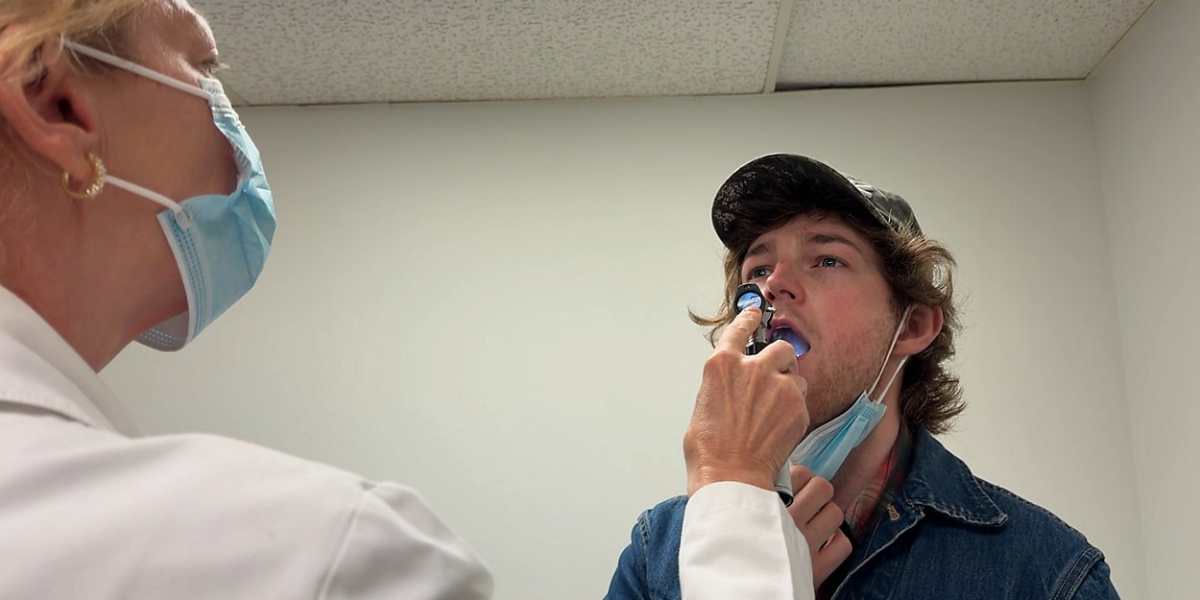
Key Points
- Influenza activity across Texas and the United States is spiking months earlier than historical norms, with rising cases recorded from late August through early September.
- Data from the Centers for Disease Control and Prevention confirms elevated flu activity across all 50 states, marking a significantly earlier start compared to the past five years.
- The return of children to classrooms and the high density of individuals in small spaces are accelerating transmission rates, particularly on the West Coast and in the Dallas area.
- Flu and COVID-19 display overlapping symptoms; medical experts strongly advise dual at-home antigen testing to distinguish between infections and secure appropriate treatment.
- Whilst standard symptoms include aches, fatigue, fever, and a dry cough, a secondary fever rebound accompanied by green sputum, chest pain, or shortness of breath indicates a potential bacterial superinfection requiring emergency medical intervention.
- Vaccines reduce the risk of contracting influenza by up to 60%. Combined preventive approaches—including vitamin D supplementation, strict hand hygiene, and mask wearing—are urged before the season peaks in December.
Dallas (Edition Online) october 22, 2026 – Executive Summary: A sudden and unseasonable rise in influenza cases across Texas has prompted urgent warnings from medical specialists who observe that the respiratory virus season has commenced months earlier than traditionally expected. Federal data confirms cases are elevating nationwide as school reopenings accelerate community transmission. Health authorities are urging immediate vaccination and strict preventative protocols, warning that the current outbreak could peak as early as December. Patients are advised to monitor for severe secondary bacterial complications and utilise combination antigen testing to differentiate influenza from COVID-19.
- Key Points
- Why Are Texas Flu Cases Rising So Early This Year?
- How Can Patients Distinguish Between Flu and COVID-19 Symptoms?
- What Preventative Steps and Treatments Are Recommended by Experts?
- Background of the Early Flu Surge Development
- Prediction: How This Development Can Affect the Texas Public and Healthcare System
The inverted pyramid structure of this report presents the most vital public health disclosures first, followed by direct clinical guidance, medical observations, historical context, and potential community impact.
Why Are Texas Flu Cases Rising So Early This Year?
DALLAS, Texas — If you have not yet received your annual influenza vaccination, you are among a significant portion of the population. However, medical professionals in Texas warn that postponing the immunisation could carry severe health risks, as official monitoring from the Centers for Disease Control and Prevention (CDC) registers a widespread surge in an unseasonably early flu season.
According to surveillance reports released by the CDC, this year’s influenza transmission cycle is commencing months earlier than patterns observed over the previous five years. Epidemiological monitoring indicates elevated case counts spreading across all 50 U.S. states, with initial upward trends detected from late August through early September.
Medical experts attribute this acceleration primarily to educational calendar schedules. As school terms resume, millions of children gather in close proximity inside classrooms, creating ideal environments for viral transmission.
As reported by health reporter statements covering Dr. Donna Casey, an internal medicine physician affiliated with Texas Health Presbyterian Hospital in Dallas, many individuals continue to delay their seasonal immunisations despite clear evidence of early community spread. Explaining the mechanics of the early outbreak, Dr. Casey stated that “a lot of people and dense people in small spaces pass germs, especially children because they’re not as good with the hygiene. So this year, we’re seeing more flu earlier, especially on the West Coast right now. But also in Dallas we’re seeing more flu”.
Clinical facilities in North Texas are already feeling the impact of this early arrival. Dr. Casey noted that her medical practice in Dallas has experienced a sharp increase in flu-related patient communications and consultation inquiries since the beginning of October.
How Can Patients Distinguish Between Flu and COVID-19 Symptoms?
Because influenza and COVID-19 present with nearly identical early clinical profiles—including body aches, severe fatigue, elevated fever, and persistent dry coughing—differentiating between the two viruses without diagnostic tools remains extremely challenging for patients and clinicians alike.
To ensure accurate diagnosis and timely treatment, Dr. Casey recommends utilizing over-the-counter combination home antigen tests that screen for both pathogens simultaneously.
Demonstrating the mechanics of dual antigen test kits, Dr. Casey explained: “I think it’s helpful to see how easy this [COVID-19 and flu antigen test] is for control. You need this line no matter what. It means you did a good test. And this is positive for flu or COVID.”
While typical influenza presentations can be managed at home through rest and supportive care, physicians emphasize the critical importance of recognizing red-flag symptoms that signal life-threatening complications. Standard cases generally involve acute systemic aches, fever, fatigue, and non-productive coughing; however, sudden deterioration after initial recovery requires urgent clinical evaluation.
Outlining the key warning sign for severe illness, Dr. Casey warned: “If you’re starting to get better and then you get worse and the fever starts roaring back. You start to have a green cough, shortness of breath, chest pain. That may mean a secondary bacterial infection on top of the virus.”
Such secondary bacterial superinfections, including bacterial pneumonia, can develop rapidly when viral inflammation damages respiratory tissues, necessitating immediate emergency medical care and antibiotic therapy.
What Preventative Steps and Treatments Are Recommended by Experts?
To mitigate the risk of infection and reduce the severity of illness, health experts emphasize a multi-layered prevention strategy combining immunisation, lifestyle measures, and personal hygiene practices.
Addressing the effectiveness of annual immunisations, Dr. Casey emphasized: “The flu shot reduces your risk of getting the flu by up to 60%. That doesn’t seem like a lot, but it is.”
In addition to annual vaccination, medical providers recommend the following proactive measures:
- Vitamin D Supplementation: Supporting baseline immune function during autumn and winter months.
- Rigorous Hand Hygiene: Frequent handwashing with soap and water or alcohol-based sanitisers to disrupt viral transmission.
- Face Coverings: Wearing masks in crowded, poorly ventilated indoor spaces to limit respiratory droplet exposure.
- Symptom Management: Utilizing over-the-counter antipyretics to reduce fever and alleviate body aches.
Physicians caution, however, that symptom relief from over-the-counter medications does not mean a patient is no longer infectious. Individuals infected with influenza can remain contagious and spread the virus to others for up to six days after the onset of symptoms, making isolation during the active phase of illness vital for community protection. Based on current trajectory models, Dr. Casey expects the 2026–2027 influenza season to reach its peak far earlier than normal, likely in December rather than late winter.
Background of the Early Flu Surge Development
Historically, the influenza season in North America begins its initial climb in late October or November, reaching peak activity between January and February. However, the trajectory observed in the 2026 season represents a significant departure from established epidemiological baselines.
The early surge builds upon shifting post-pandemic viral dynamics. Following years of altered social interactions, altered mask mandates, and fluctuating exposure levels, population-level immunity against seasonal respiratory pathogens has experienced notable shifts. Epidemiologists from federal and state health agencies have closely monitored early-season indicators in Southern Hemisphere countries during their winter months (June through August), which frequently serve as a bellwether for Northern Hemisphere viral behavior.
In Texas, the convergence of early August heat—forcing populations indoors into air-conditioned environments—with the resumption of the academic school year created an early window for viral amplification. This unexpected timeline has strained clinical scheduling and forced public health departments to accelerate their annual immunisation drives, which traditionally target peak outreach in late October.
Prediction: How This Development Can Affect the Texas Public and Healthcare System
The unseasonable spike in early influenza cases carries broad implications for multiple sectors across Texas, ranging from healthcare infrastructure to local economic stability.
Impact on Healthcare Facilities and Emergency Services
An early seasonal peak in December—coinciding with holiday gatherings and seasonal travel—threatens to place intense pressure on emergency rooms, urgent care clinics, and primary care providers. Hospital networks throughout Dallas, Fort Worth, and the broader state may face capacity challenges if seasonal flu admissions coincide with winter spikes in COVID-19 and Respiratory Syncytial Virus (RSV), creating a potential “tripledemic” scenario. Emergency departments could experience prolonged wait times as patients seek care for non-emergent fever symptoms alongside critical care cases.
Impact on Schools and Families
With transmission heavily concentrated among school-aged children, school districts across Texas are likely to experience elevated absenteeism rates among both students and teaching staff through the late autumn months. This trend will increase demand for substitute teachers and potentially lead to temporary classroom disruptions. For working parents, caring for sick children while navigating isolation periods of up to six days will create logistics challenges regarding childcare and remote working arrangements.