
key Points
- Nine historical records and artefacts believed missing from the World War II battleship USS Massachusetts (BB-59) for roughly three decades were recovered after a Texas family found them in a storage unit belonging to their late father, who had worked on refurbishing the ship during the 1990s.
- The recovery followed an investigation launched in 2025 after Battleship Cove volunteers spotted missing items in a social media post, alerted the museum’s curator and the Fall River Police Department, and prompted action by the FBI Boston Division, the FBI’s Art Crime Team, and the FBI Dallas Field Office.
- The Texas family voluntarily relinquished the items, which were examined and authenticated before being returned to Battleship Cove in Fall River, Massachusetts.
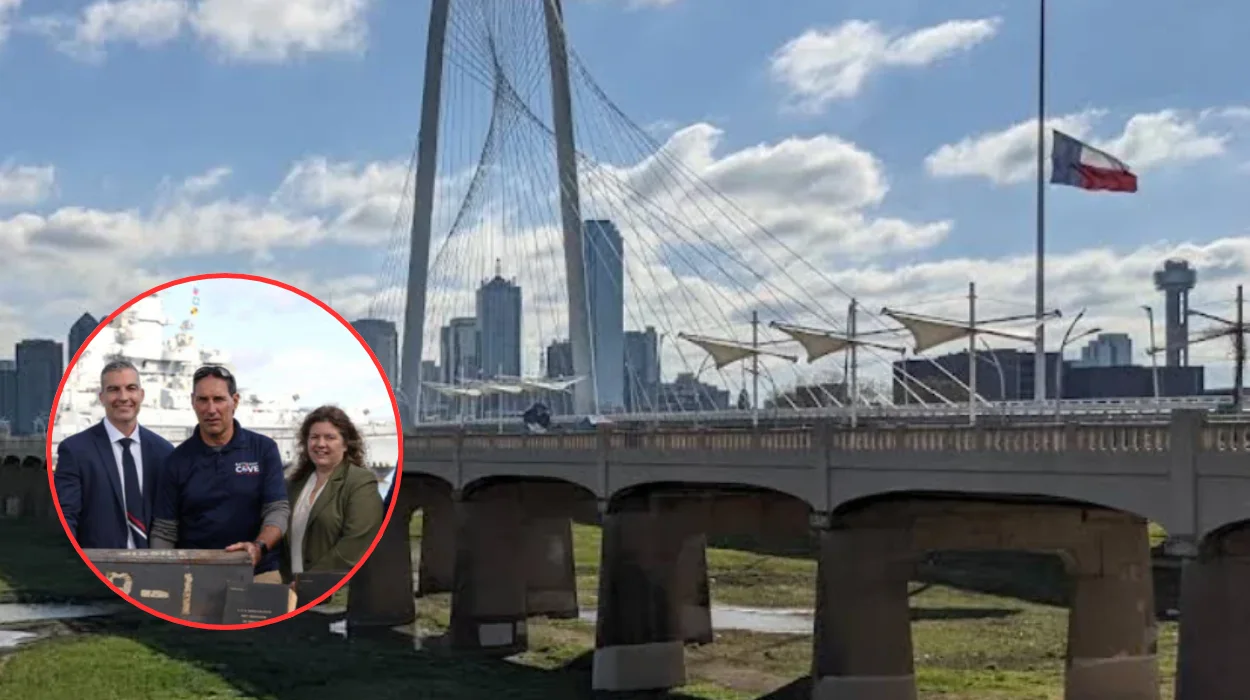
- Recovered items include a folder labelled “Plan of the Day for 1942,” a rusted metal crate labelled “Missile Hazards Within,” a First Lieutenant’s Damage Control Book, and a large toolbox, among other records and equipment.
- Christopher Nardi, chief operating officer of Battleship Cove, stated that the recovered documents and artefacts offer another way to understand the battleship’s history and help connect different facets of the vessel and those who operated it.
- According to the FBI, the Bureau’s Art Crime Team has recovered more than 20,000 items valued at over $1 billion since its establishment.
Fall River (Edition Online) November 21, 2026 – Nine historical records and artefacts missing for roughly three decades from the decommissioned World War II battleship USS Massachusetts have been returned to Battleship Cove in Fall River, Massachusetts, after a Texas family uncovered them in their late father’s storage unit. The father had worked on refurbishing the vessel—nicknamed “Big Mamie”—in the 1990s. Voluntarily handed over by the family and authenticated with assistance from the FBI Boston Division, the FBI Dallas Field Office, and the FBI’s Art Crime Team, the items restore records and equipment tied to the ship’s wartime service.
- key Points
- How Did a Texas Family Come to Recover Nine Missing USS Massachusetts Artefacts?
- What Artefacts and Records Were Recovered From the Battleship?
- How Was the Missing Historical Collection Traced by Investigators?
- Why Are the Recovered Records Important to Battleship Cove and How Will They Be Preserved?
- What Is the Background of the USS Massachusetts and the FBI’s Art Crime Team?
- How Could This Recovery Affect Naval Historians, Museum Visitors, and Cultural Heritage Efforts?
How Did a Texas Family Come to Recover Nine Missing USS Massachusetts Artefacts?
According to reporting from The Times of India, citing the FBI Boston Division and NBC 10 News, the recovery of the nine historical items began with an unexpected discovery by a family in Texas who found the materials in a storage unit belonging to their late father. Their father had worked on refurbishing the USS Massachusetts during the 1990s, linking the items to the battleship.
Rather than keeping or disposing of the recovered objects, the family voluntarily relinquished them so they could be returned to their original home. As reported by The Times of India, citing NBC 10 News, the FBI’s Dallas office examined and authenticated the recovered objects before they were handed back to the museum, bringing an end to uncertainty surrounding items believed to have been missing for approximately three decades.
What Artefacts and Records Were Recovered From the Battleship?
According to reporting from The Times of India and the FBI, the nine recovered items provide insight into the USS Massachusetts’s operations, equipment, and maintenance during the Second World War:
- Folder Labelled “Plan of the Day for 1942”: Described by the FBI as one of the most significant discoveries in the collection, containing documents on Navy operational planning during World War II that allow researchers to examine the battleship’s daily activities and organisation.
- Rusted Metal Crate Labelled “Missile Hazards Within”: A weathered container whose marking reflects equipment and safety considerations linked to the vessel.
- First Lieutenant’s Damage Control Book: Identified by the FBI as containing detailed engineering and structural specifications necessary to keep the warship afloat and combat-ready, illustrating the technical demands of maintaining a battleship during military operations.
- Large Toolbox: Reported by The Times of India, citing NBC 10 News, as part of the returned collection and noted by museum officials as a piece that could potentially be displayed aboard the vessel.
Additional records and historical objects from the nine-item recovery form part of the collection returned to Battleship Cove.
How Was the Missing Historical Collection Traced by Investigators?
As reported by The Times of India, citing the FBI Boston Division, the recovery did not stem from a routine review of old military archives. Instead, the investigation began after volunteers at Battleship Cove noticed several missing items appearing in a social media post.
The volunteers alerted the museum’s curator, who then contacted the Fall River Police Department. Fall River police subsequently approached the FBI on behalf of the museum, prompting an investigation by the FBI Boston Division in 2025. According to The Times of India, citing NBC 10 News, the matter was later referred to the FBI’s Art Crime Team, which specialises in investigating the theft and recovery of cultural property.
Working alongside the FBI’s Dallas Field Office, investigators located and secured the objects in Texas and verified their authenticity and connection to the USS Massachusetts.
Why Are the Recovered Records Important to Battleship Cove and How Will They Be Preserved?
The USS Massachusetts, known affectionately to its crew as “Big Mamie,” is a decommissioned World War II battleship preserved as a floating museum at Battleship Cove in Fall River, Massachusetts. Returning the nine objects restores materials that had been absent for roughly three decades.
As reported by The Times of India, Christopher Nardi, chief operating officer of Battleship Cove, stated that the recovered documents and artefacts provide another way to understand the vessel’s history. Mr Nardi also explained that the records help bring together different elements of the battleship’s history, with each item offering information that assists researchers in understanding both the ship and the people who operated it.
Museum officials do not plan to place every recovered item on immediate public exhibition. According to The Times of India, citing NBC 10 News, museum officials are considering displaying certain items aboard the USS Massachusetts—including the large toolbox—while safeguarding more delicate documents and making them available for research so fragile records remain preserved for future generations.
What Is the Background of the USS Massachusetts and the FBI’s Art Crime Team?
Commissioned during World War II, the battleship USS Massachusetts (BB-59) served in the conflict—including operations in North Africa and the Pacific theatre—before being decommissioned and brought to Battleship Cove in Fall River, Massachusetts, where it has been preserved as a maritime museum ship since 1965. Over the decades, historic ships and maritime museums have relied on archival records, engineering manuals, and physical equipment to document wartime service and vessel maintenance.
The recovery also highlights the federal role in cultural property protection. As reported by The Times of India, citing the FBI’s announcement, the FBI’s Art Crime Team has recovered more than 20,000 items valued at more than $1 billion since its establishment.
How Could This Recovery Affect Naval Historians, Museum Visitors, and Cultural Heritage Efforts?
For naval historians and researchers studying the USS Massachusetts, the return of documents such as the 1942 “Plan of the Day” folder and the First Lieutenant’s Damage Control Book provides primary-source material that can be examined alongside existing maritime records to reconstruct daily shipboard organisation and damage-control engineering during World War II.
For visitors to Battleship Cove in Fall River and members of the public holding inherited items, the case demonstrates how public vigilance online and voluntary cooperation with law enforcement and museums can return missing historical property to public stewardship. Potential onboard displays such as the large toolbox may offer visitors a tangible link to the ship’s past, while archival preservation ensures fragile documents remain accessible to researchers over time.